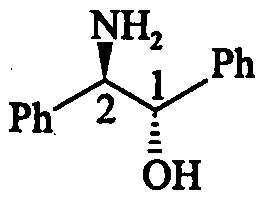
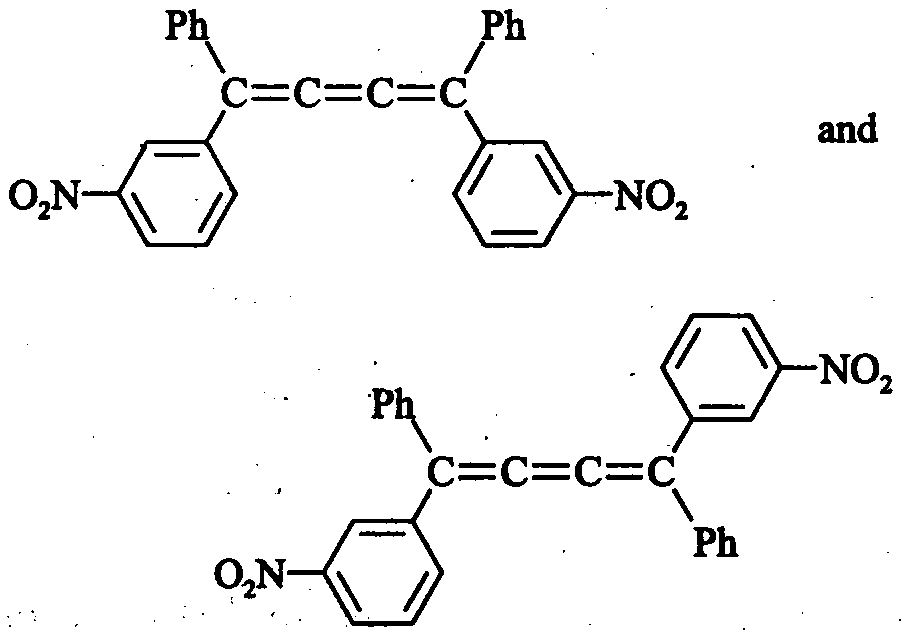
All 120 questions of the 2026 Combined Geo-Scientist Prelims Paper II (chemistry), each with the answer and a short explanation in the hint-sheet style: the key fact first, numericals worked with units. Tap a number in the key to jump to the question; every question also has its own page.
Take this paper offlineAll 120 questions with answers and explanations in one PDF.
Radial distribution function = 4πr²R²ₙ,ₗ(r). It uses only the radial part R(r) of ψ, which depends on n and l and on the distance r. Orientation comes from the angular part Yₗ,ₘ(θ,φ), i.e. from m, which is integrated out. So the RDF does not depend on the orientation of the orbital → (d). Remember: number of radial nodes = n − l − 1, independent of m.
Part of VKC Basic
Read every answer and explanation of this paper with VKC Basic
VKC Basic (₹999 for 6 months) opens every solved answer, the notes, the handbook and the daily answer archive. Every Mains test series includes it.
The radius of Na⁺ ion is 0·95 Å and that of Cl⁻ ion is 1·81 Å. In which one of the following sites Na⁺ ions will prefer to occupy in the crystal lattice of Cl⁻ ions ?
Consider the following reaction : Nb₂S₅ + 5 HgO ⇌ Nb₂O₅ + 5 HgS On the basis of the relative electronegativity and charges on the various ions, hard and soft character of the acids and bases, which one of the following is correct ?
(a) The products are favoured
(b) The reactants are favoured
(c) Nb₂O₅ is favoured, however the reaction does not proceed due to HgS
(d) HgS formation is favoured, however the reaction does not proceed due to Nb₂O₅
Consider the following statements regarding the ionic product of water : (where C_H⁺ and C_OH⁻ are the concentration of hydrogen and hydroxide ions of water, respectively and K_W is the ionic product of water)
An aqueous solution contains 0·3 mol/litre of KHSO₄ and 0·6 mol/litre of K₂SO₄. The pH of the solution will be (The pKa value for HSO₄⁻ is 2·0 and log 2·0 = 0·30)
The root mean square velocity of one mole of a monoatomic gas having molar mass M is u_rms. Which one of the following correctly represents the relation between the average kinetic energy of the gas (E) and u_rms ?
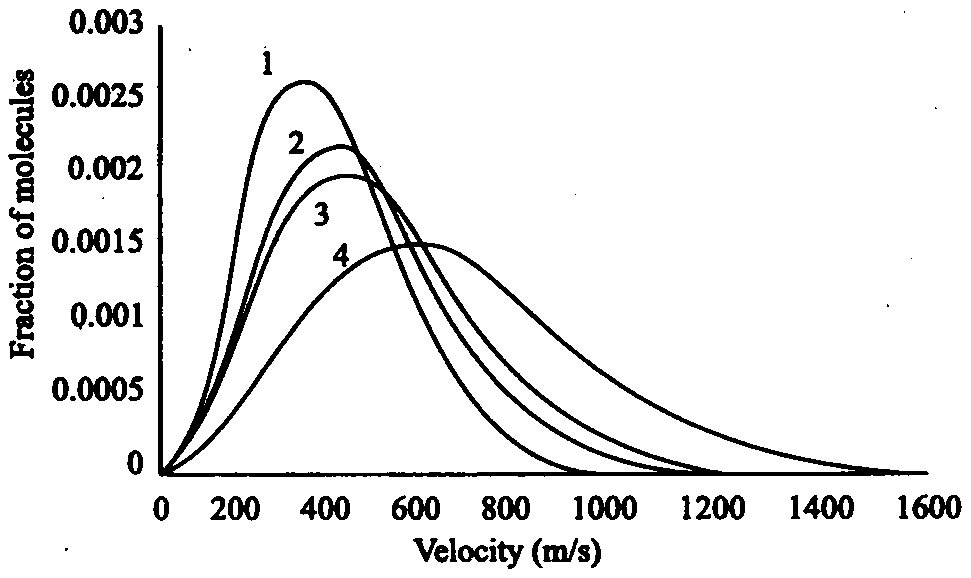
Initially in a container having an ideal gas, all the molecules had the same translational energy of 6·0 × 10⁻²¹ J. After some time, due to random motion of the molecules, the energies of the molecules were distributed according to the Maxwell-Boltzmann distribution law. The final temperature of the system is (Given : k = 1·38 × 10⁻²³ J K⁻¹)
The root mean square velocity of gas A at 27°C was found to be equal to the root mean square velocity of gas B at 327°C. The ratio of molar mass of A to B is
A steel vessel contains a mixture of H₂ and O₂ in a 2 : 1 molar ratio at a constant temperature T and pressure p. If the volume of H₂ gas collected in 10 min is 15 mL at the same T and p, what will be the volume of O₂ gas collected in 20 min at the same T and p ?
The average velocity of a gas molecule of O₂ at 25°C and 1 bar is 400 m s⁻¹ and its collision frequency is 2·0 × 10⁹ s⁻¹. The mean free path and the average time between collisions are respectively
Which of the following is/are correct when 131 g of zinc is allowed to react with hydrochloric acid at 27°C ? (Given : Molar mass of Zn is 65·4 g mol⁻¹ and R = 8·3 J K⁻¹ mol⁻¹)
The reaction involved is Zn + 2 HCl → ZnCl₂ + H₂
When the reaction mixture is kept in a closed vessel of fixed volume, work done is zero
When the reaction mixture is kept in an open vessel, the reaction mixture does 4·98 kJ of work driving back the atmosphere
A sample of an ideal gas changes its volume from 3·00 L to 6·00 L against an external pressure of 2·50 atm and simultaneously absorbs 1000 J of heat. The change in internal energy of the system is (1 L atm = 101·325 J)
Consider the reversible isothermal expansion of 5·00 mol of an ideal gas from 0·500 dm³ to 1·500 dm³ at 300 K. (Given : R = 8·314 J K⁻¹ mol⁻¹ and log 3 = 0·4771)
ΔU = 0
ΔH = 0
w = −13·7 kJ
q = 13·7 kJ
Which of the following are true for the above system ? Select the answer using the code given below :
Sphalerite (ZnS) is the sulphide ore of zinc. Given : \(\Delta_f H^\circ_{298}\) (in kJ mol⁻¹) for sphalerite, ZnO(s) and SO₂(g) are −206, −348 and −296, respectively, the \(\Delta_r H^\circ_{298}\) (in kJ mol⁻¹) for the roasting of sphalerite ore will be
In a porcelain dish exposed to air at 27°C, 1·22 g of benzoic acid is burned, releasing 31,700 J of heat. The enthalpy change (ΔH) and internal energy change (ΔU) for the process are, respectively (Given : Molar mass of benzoic acid is 122 g mol⁻¹)
Which one of the following statements must be true for an endothermic reaction to be spontaneous under standard conditions at constant pressure and at a certain temperature T ?
(a) ΔS° must be positive and greater than \(\frac{\Delta H^\circ}{T}\)
(b) ΔS° must be positive and less than \(\frac{\Delta H^\circ}{T}\)
(c) ΔS° must be negative and greater than \(-\frac{\Delta H^\circ}{T}\)
(d) ΔS° must be negative and less than \(+\frac{\Delta H^\circ}{T}\)
Suppose the coldest reservoir we have at hand is at 12°C. If we want a heat engine that is at least 90% efficient, the minimum temperature of the required hot reservoir should be
The correct value for the non-expansion work that can be obtained from the combustion of 2·00 mol of methane under standard conditions at 300 K is Given that : ΔᵣS° = −243 J K⁻¹ mol⁻¹, ΔfH°(CH₄, g) = −75 kJ mol⁻¹, ΔfH°(CO₂, g) = −393 kJ mol⁻¹, ΔfH°(H₂O, l) = −286 kJ mol⁻¹
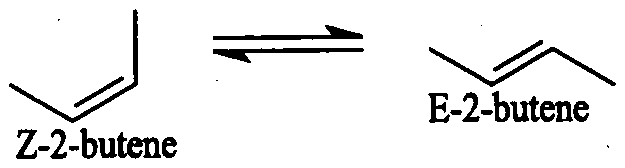
At 300 K, Z-2-butene isomerises to E-2-butene with ΔG°ᵣ = −3·44 kJ mol⁻¹ A catalyst for isomerisation is added to a vessel that is kept at 300 K along with a small amount of Z-2-butene. The mole fraction of E-2-butene in the vessel when equilibrium is reached is : (Given : R = 8·31 J K⁻¹ mol⁻¹ and ln 2 = 0·69)
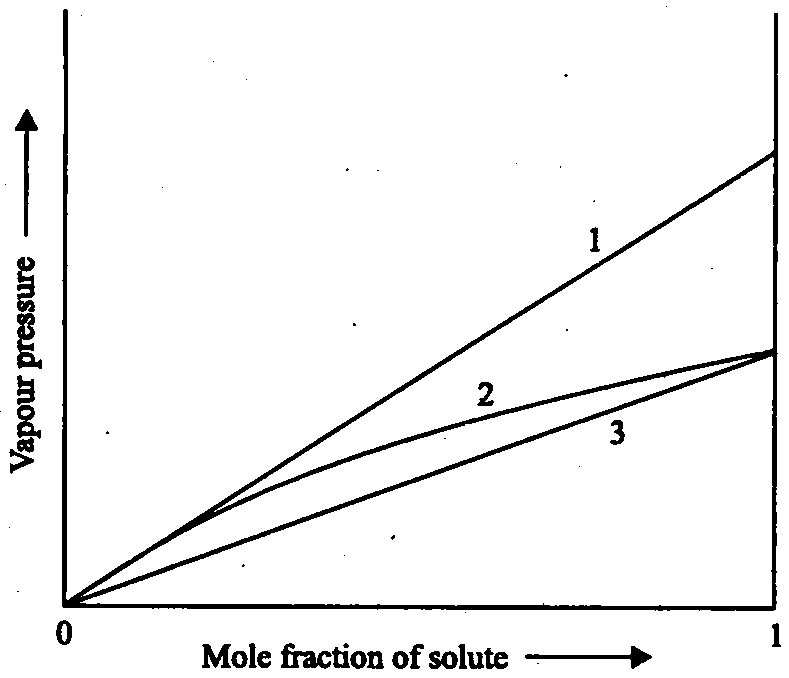
1 mol benzene (\(p^\circ_{benzene}\) = 6·0 k Pa) and 2 mol toluene (\(p^\circ_{toluene}\) = 4·8 k Pa) are mixed to form a solution. Which one of the following statements regarding the above solution is NOT correct ?
(a) Total vapour pressure of the solution is 5·2 k Pa
(b) Mole fraction of vapours of benzene above the liquid mixture is 0·33
(c) The solution will follow Raoult’s law
(d) The solution will not show any appreciable change in volume
A polymer X is dissolved in a suitable solvent and the osmotic pressure (π) of solutions of various concentrations (c) is measured at 27°C. The intercept of a plot of \(\frac{\pi/(N\,m^{-2})}{c/(g\,dm^{-3})}\) against c/(g dm⁻³) is found to be 25. The molar mass of X in kg mol⁻¹ is (Given : R = 8·314 J K⁻¹ mol⁻¹)
When a conductivity cell is filled with a 0·001 mol L⁻¹ solution of NaNO₃, its resistance is found to be 6000 Ω. The molar conductance of the solution is given as 120 S cm² mol⁻¹. The cell constant of the given conductivity cell is
The \(\Lambda_m^\infty\) values for calcium acetate, sodium acetate and sodium iodide solutions are 202, 91 and 127 S cm² mol⁻¹ respectively at 298 K. The \(\Lambda_m^\infty\) for calcium iodide is
A potential difference of 4·5 V is applied across two electrodes placed 10·0 cm apart in a dilute solution of a salt of X at 27°C. How far would the X⁻ ion be expected to move in 2 hours ? [Given : λ(X⁻) = 80 S cm² mol⁻¹, F = 96,500 C mol⁻¹]
The conductivity of a saturated solution of AgCl was found to be 1·8 × 10⁻⁶ S cm⁻¹ at 25°C after correction for the conductivity of pure water. What is the molar conductivity of Cl⁻ ions at infinite dilution, if the molar conductivity of Ag⁺ ions at infinite dilution is 62·0 S cm² mol⁻¹ and the solubility product of AgCl is 1·69 × 10⁻¹⁰ M² at 25°C ?
Q74Electrochemistry / strong and weak electrolytes
Consider the following statements regarding two electrolytes ‘X’ and ‘Y’ whose molar conductivities increase by a factor of 20 and 1·5 respectively, on dilution : Statement – 1 : ‘X’ is a strong electrolyte and ‘Y’ is a weak electrolyte Statement – 2 : For weak electrolytes the increase in molar conductivity is due to the increase in degree of dissociation of the electrolyte on dilution
Which one of the following is correct in respect of above statements ?
(a) Both statement 1 and statement 2 are true and statement 2 is the correct explanation of statement 1
(b) Both statement 1 and statement 2 are true and statement 2 is not the correct explanation of statement 1
Debye-Hückel theory explains the dependence of the conductance of strong electrolytes on their concentration. This theory also explains the other properties of ionic solutions. List I gives the conditions for conductance of aqueous electrolytic solutions, while List II provides the names of corresponding effects. Match List I with List II and select the correct answer using the code given below the lists :
Consider the following statements regarding transport number : Statement – 1 : Cd²⁺ shows negative transport number in highly concentrated solutions of CdI₂ Statement – 2 : Transport numbers of ions are directly proportional to their speeds
Which of the statement(s) given above is/are correct ?
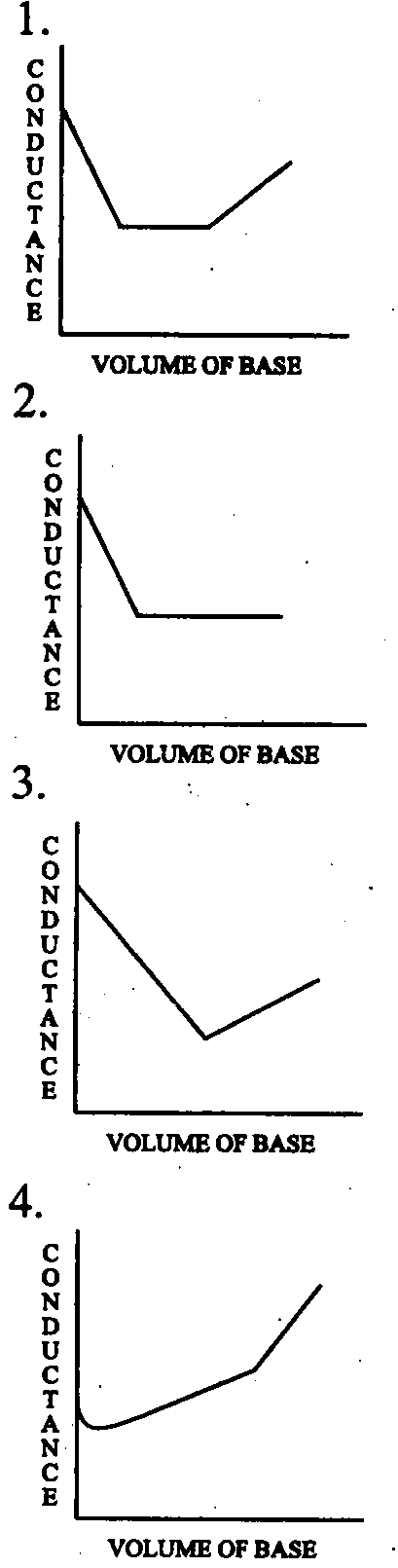
During the titration of 50·0 mL of a 0·10 mol L⁻¹ solution of acetic acid (Kₐ = 1·8×10⁻⁵) with a 0·10 mol L⁻¹ solution of sodium hydroxide, the specific conductance after addition of 50·0 mL of sodium hydroxide will be : (Given : \(\lambda^o_{CH_3COO^-}\) = 40·9×10⁻⁴ S m²mol⁻¹, \(\lambda^o_{Na^+}\) = 50·1×10⁻⁴ S m²mol⁻¹)
In the determination of the transport number of Li⁺ ion by the moving boundary method, a 0·10 M solution of LiCl was taken in a cell having uniform area of cross section of 1·0 cm². At the end of the experiment the boundary moved by 2·0 cm and 0·09 g of silver was deposited on the cathode of a silver coulometer. The transference number of Li⁺ ion is (Given : Faraday = 96,500 C mol⁻¹; Atomic mass of Ag = 108)
Which one of the following compounds has the highest preference to exist as gauche conformer ? 1,2-Dichloroethane (I), 1,2-Dibromoethane (II), 1,2-Difluoroethane (III), n-Butane (IV)
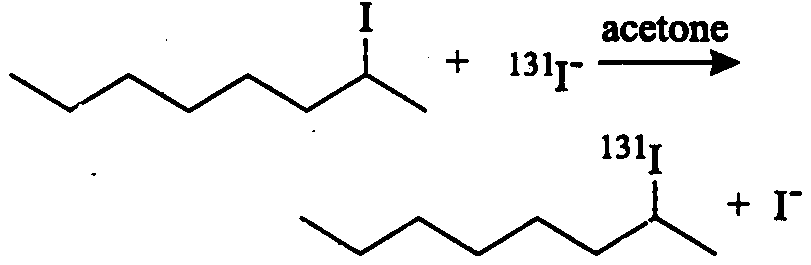
In an experiment, the rate of racemization of 2-iodooctane by sodium iodide (Na¹³¹I) in acetone was compared with the rate of incorporation of radioactive iodine into 2-iodooctane
If we assume that each incorporation proceeds stereospecifically with inversion of configuration then we can conclude that
(a) There will not be any observable racemization
(b) The rate of racemization will be equal to the rate of incorporation of radioactive iodine
(c) The rate of racemization will be twice the rate of incorporation of radioactive iodine
(d) The rate of incorporation of radioactive iodine will be twice the rate of racemization
Q92Stereochemistry / thiane formation and conformation
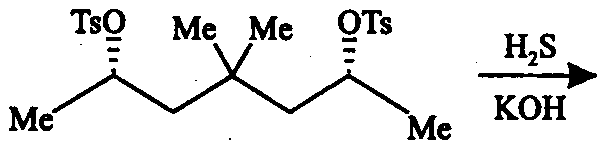
The number of methyl groups at the axial and equatorial positions, respectively in the most stable conformation of the major product formed in the following reaction are
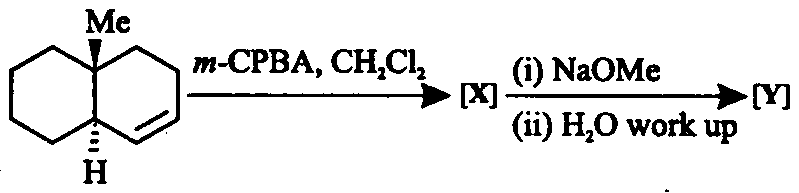
Q93Organic / epoxidation and Fürst–Plattner opening
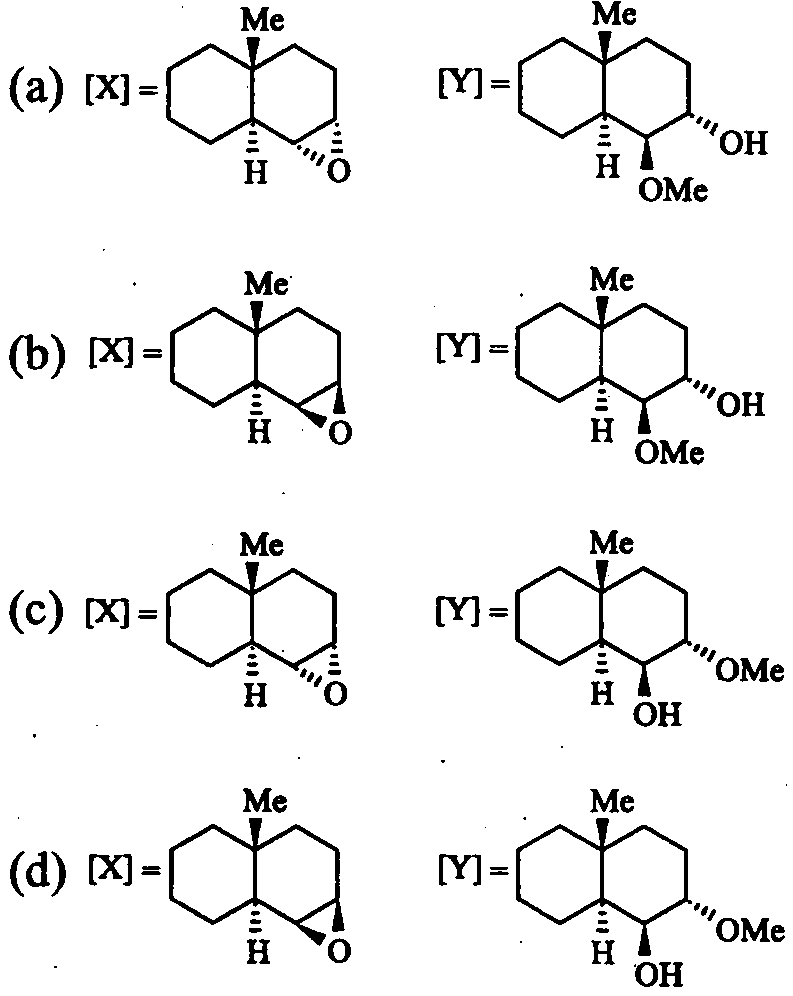
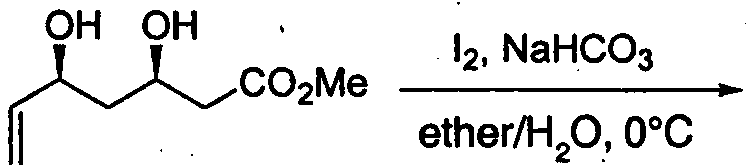
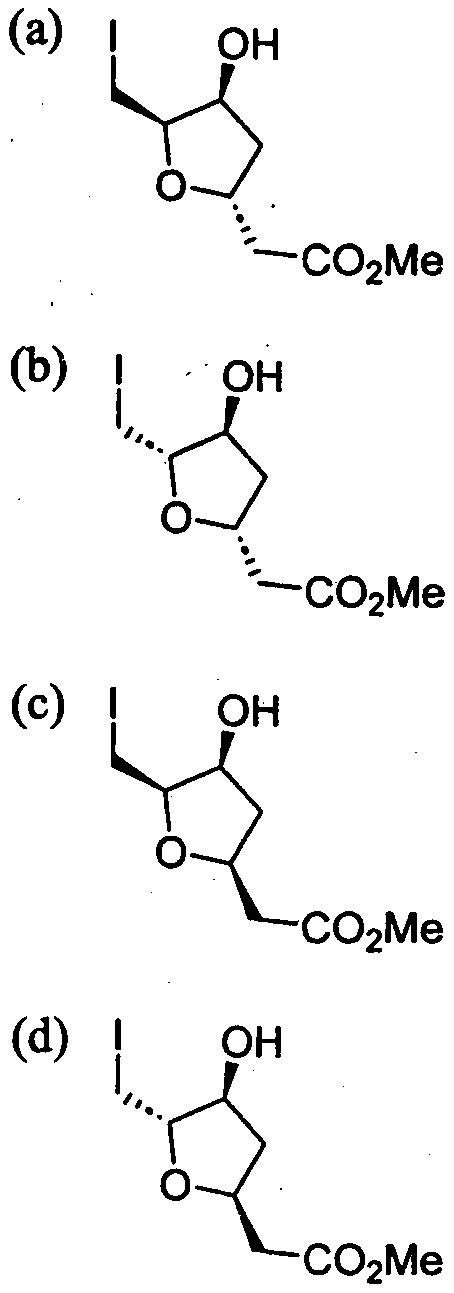
The major products [X] and [Y] formed in the following reaction sequence are
(a) [X] = α-epoxide (O on the lower face, opposite the angular Me); [Y] = OMe β (wedge) at the carbon next to the ring junction and OH α (hashed) at the adjacent carbon
(b) [X] = β-epoxide (O on the same face as the angular Me); [Y] = OMe β (wedge) next to the ring junction and OH α (hashed) at the adjacent carbon
(c) [X] = α-epoxide; [Y] = OH β (wedge) next to the ring junction and OMe α (hashed) at the adjacent carbon
(d) [X] = β-epoxide; [Y] = OH β (wedge) next to the ring junction and OMe α (hashed) at the adjacent carbon
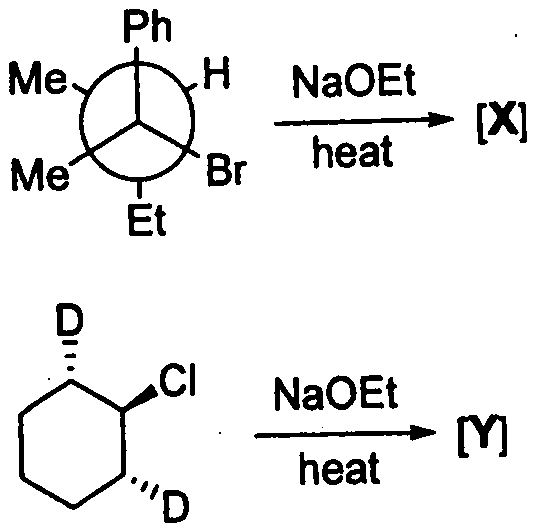
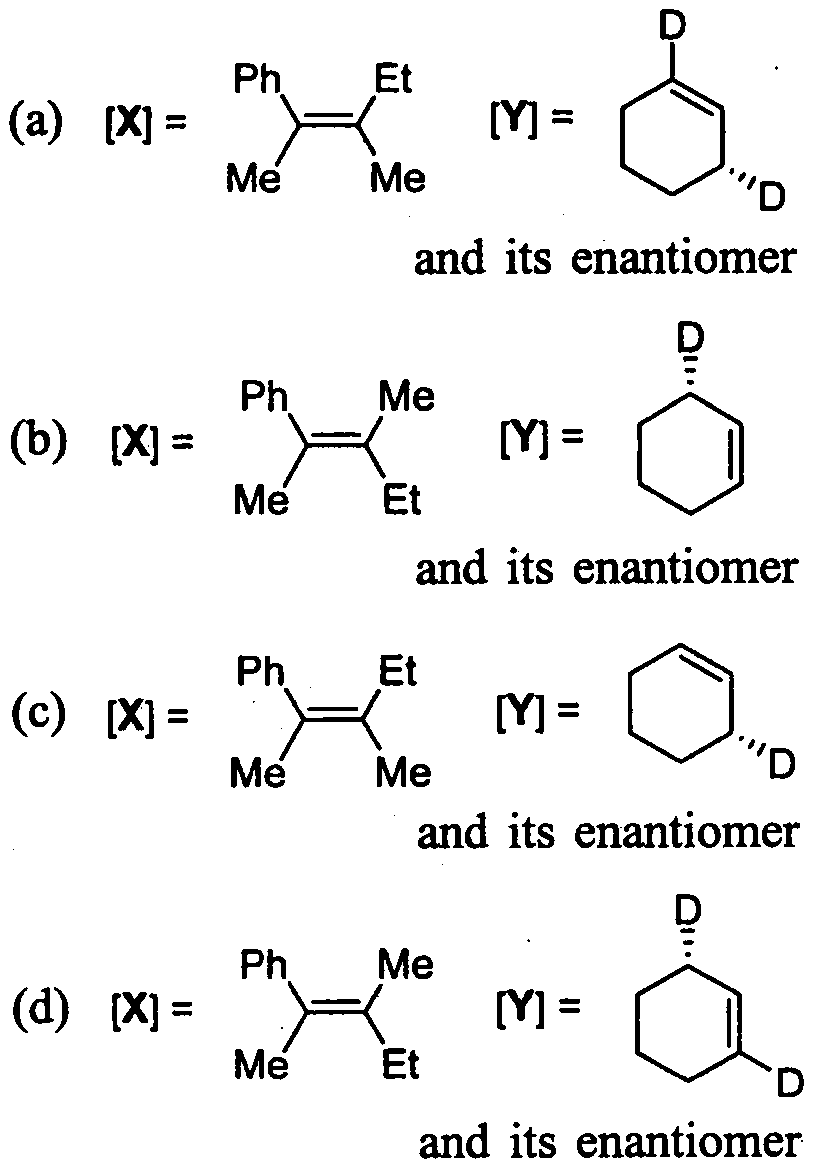
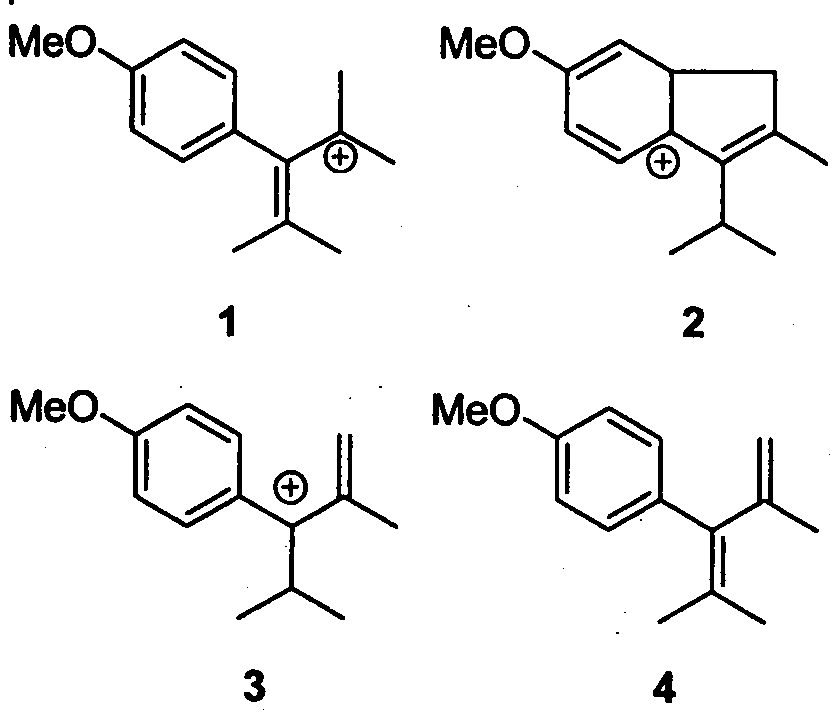
The major products [X] and [Y] formed in the following reactions are
(a) [X] = alkene with Ph and Et cis (Ph, Me on one carbon; Et, Me on the other); [Y] = 1,3-dideuterio-cyclohexene (one D on the double bond, one allylic) and its enantiomer
(b) [X] = alkene with Ph and Me cis (Ph, Me on one carbon; Me, Et on the other); [Y] = 3-deuteriocyclohexene and its enantiomer
(c) [X] = alkene with Ph and Et cis; [Y] = 3-deuteriocyclohexene (allylic D) and its enantiomer
(d) [X] = alkene with Ph and Me cis; [Y] = 1,3-dideuterio-cyclohexene (one D on the double bond, one allylic) and its enantiomer
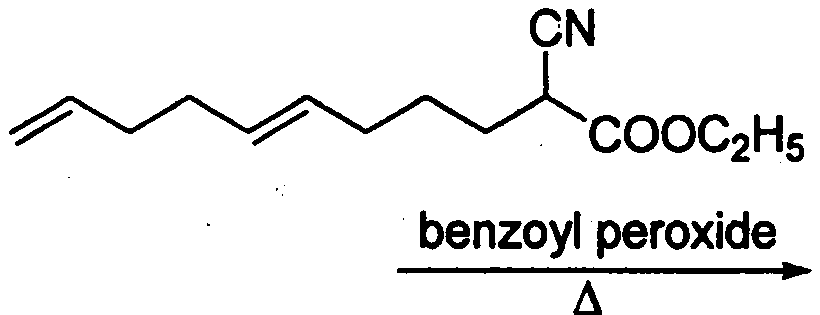
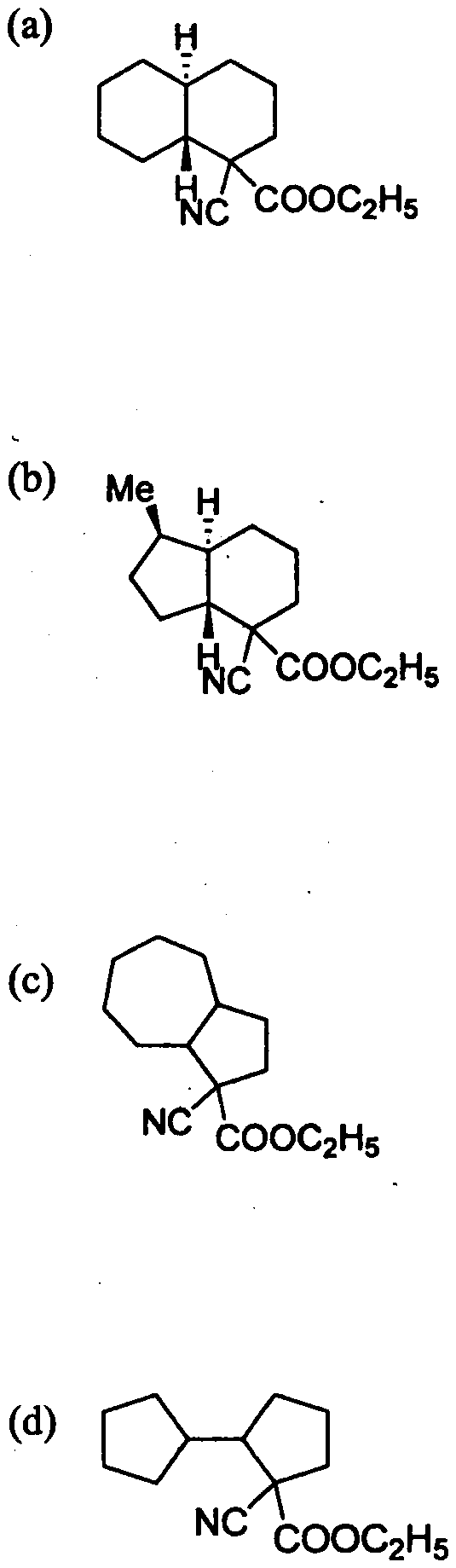
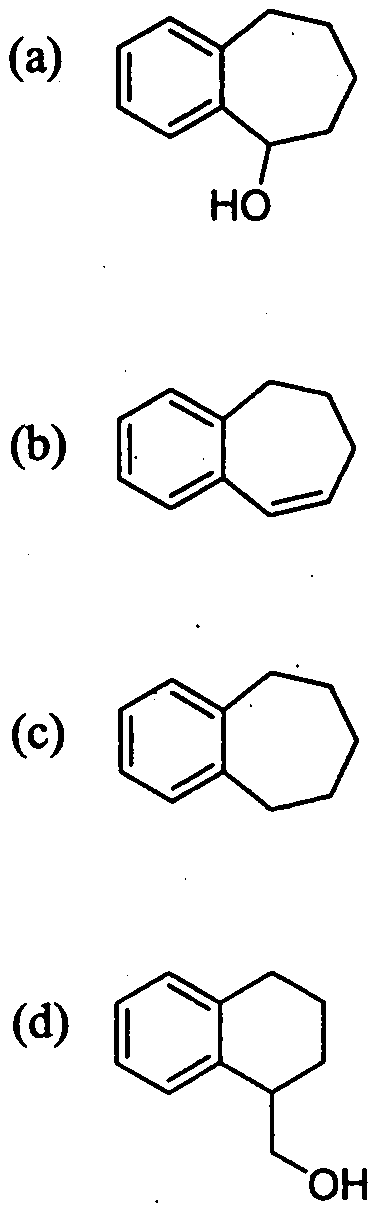
The major product formed in the following reaction is
(a) Decalin (6-6 fused) with C(CN)(COOC₂H₅) next to the ring junction
(b) Hydrindane (6-5 fused) with C(CN)(COOC₂H₅) in the six-membered ring next to one ring junction and a methyl on the five-membered ring next to the other ring junction
(c) Hexahydroazulene (7-5 fused) with C(CN)(COOC₂H₅) in the five-membered ring
(d) Bicyclopentyl with C(CN)(COOC₂H₅) on one ring next to the ring–ring bond
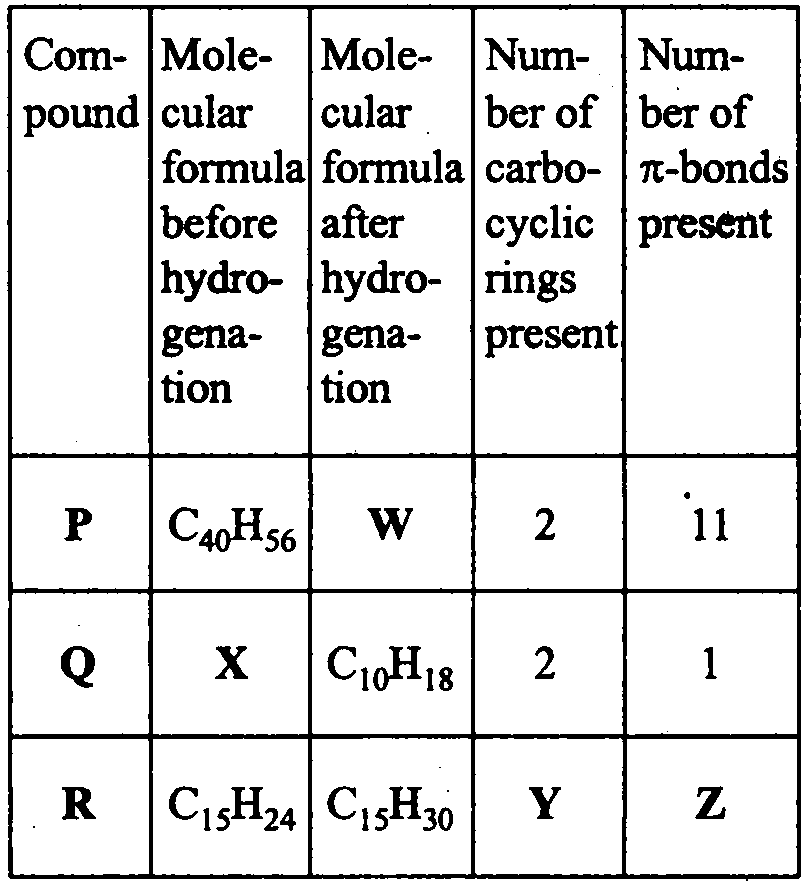
Consider the catalytic hydrogenation of compounds P, Q and R as indicated in the table. The number of carbocyclic rings and π-bonds present in compounds P, Q and R have been indicated. Complete the table by identifying the missing positions described by notations W, X, Y and Z
The number of sp³ and sp² carbons, respectively, present in the Meisenheimer complex, formed in the following reaction are 2,4,6-Trinitroanisole → (NaOEt) Meisenheimer complex (NaC₉H₁₀N₃O₈)
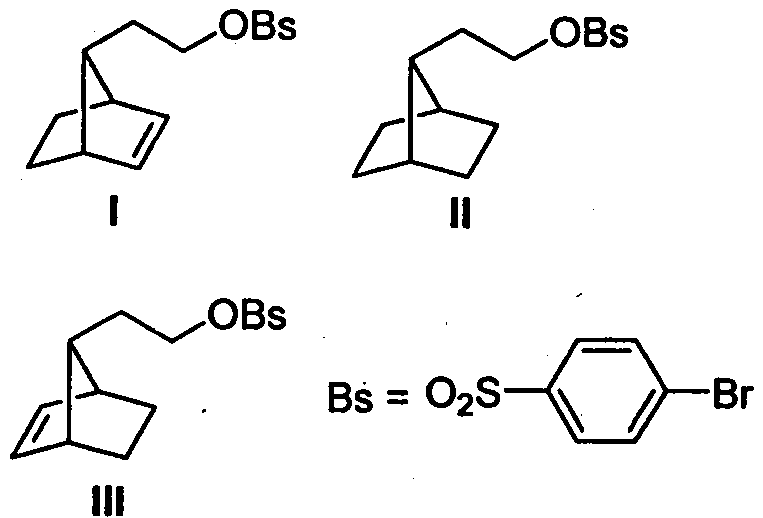
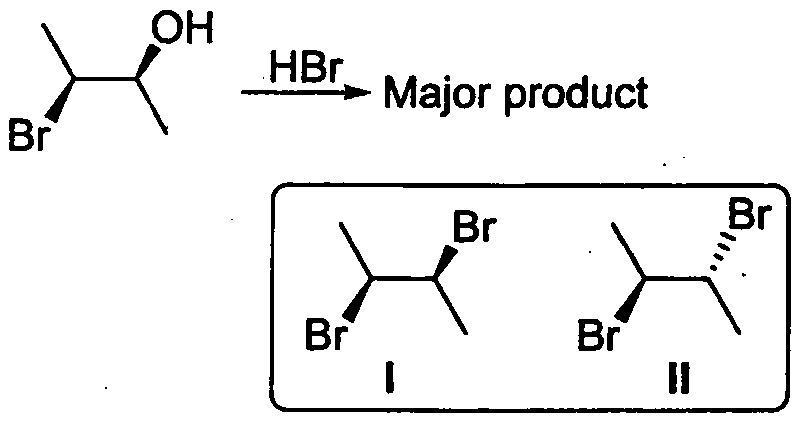
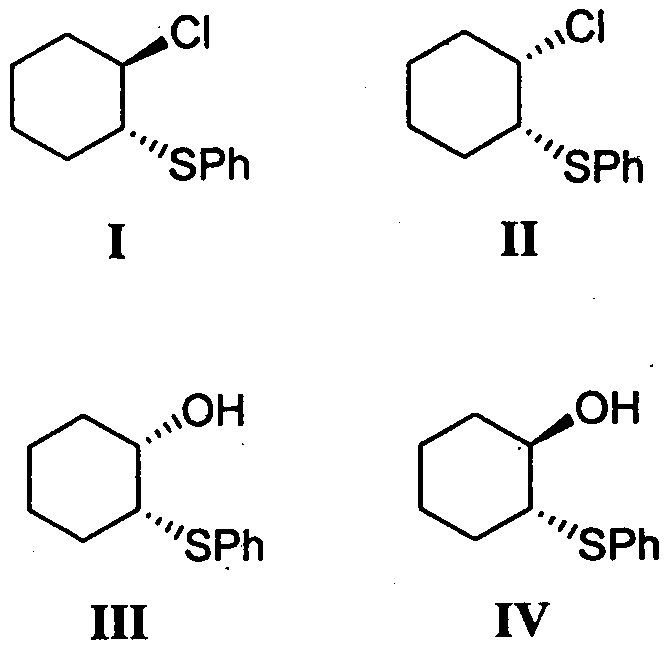
Q119Stereochemistry / neighbouring group participation vs SN2
The major product formed in Reaction I and Reaction II are Reaction I : (1R,2R)-2-bromocyclohexan-1-ol → (H⁺) Reaction II : (1S,2R)-2-bromocyclohexan-1-ol → (H⁺)
(a) Reaction I : (1S,2S)-1,2-dibromocyclohexane; Reaction II : (1S,2S)-1,2-dibromocyclohexane
(b) Reaction I : (1R,2S)-1,2-dibromocyclohexane; Reaction II : (1R,2S)-1,2-dibromocyclohexane
(c) Reaction I : (1R,2R)-1,2-dibromocyclohexane; Reaction II : (1R,2S)-1,2-dibromocyclohexane
(d) Reaction I : (1R,2R)-1,2-dibromocyclohexane; Reaction II : (1R,2R)-1,2-dibromocyclohexane